
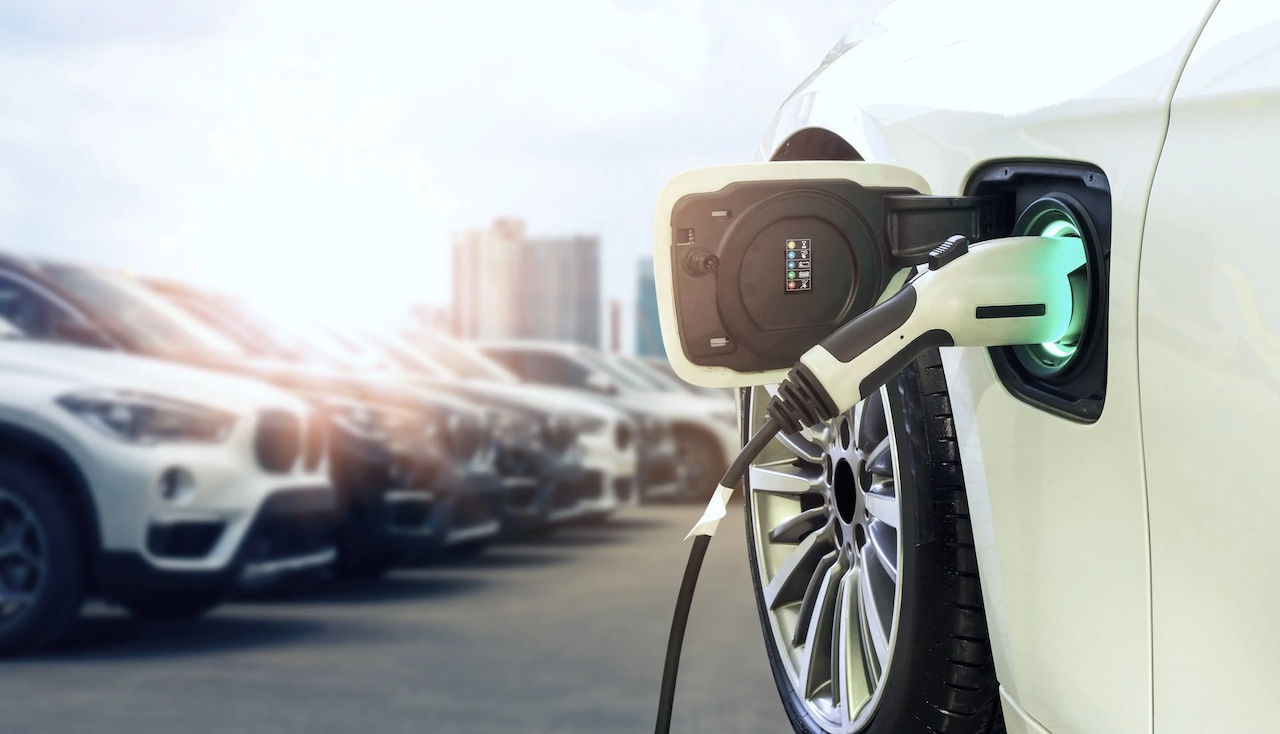
Thai Government Pushes Plan to Get 300,000 EVs on the Road
BANGKOK — The Ministry of Transport is preparing an action plan to boost electric vehicle adoption by 300,000 vehicles, supported by tax incentives and a car trade-in scheme aimed at accelerating the shift away from petrol-powered transportation.
Thailand pushes to put electric cars on the road
Deputy Transport Minister Siripong Angkasakulkiat outlined two key measures following discussions with the Department of Land Transport, designed to overcome the financial barriers that have slowed EV adoption in Thailand despite growing consumer interest.
The first proposal expands the car trade-in policy to include not only private vehicles but also public transport, particularly taxis. The plan seeks to encourage operators to switch to electric models by offering financial support for retiring older petrol-powered vehicles and replacing them with EVs. For taxi operators, who face high daily fuel costs, the switch to electric power could significantly reduce operating expenses while also cutting urban air pollution in Bangkok and other major cities.
The second measure involves reducing annual vehicle tax for EVs and hybrid vehicles by up to 80 percent or waiving it entirely during the transition period. The proposal is intended to ease the financial burden on motorists and stimulate wider adoption of cleaner technology by making EV ownership more affordable over the long term. Currently, annual vehicle tax rates are based on engine size and vehicle type, with larger engines incurring higher taxes. Shifting to an emissions-based or EV-friendly tax structure would reward those who choose cleaner vehicles.
Siripong indicated that fiscal implications are currently under review with the Finance Ministry before the package can be submitted to the cabinet. If approved, the measures are expected to be enacted through a royal decree, potentially taking effect in June. The timeline suggests the government is moving quickly, recognizing that Thailand’s ambition to become a regional EV hub requires not just manufacturing incentives but also demand-side measures to get vehicles on the road.
The Transport Ministry is preparing an action plan to boost EV adoption by 300,000 vehicles, supported by tax incentives and a car trade-in scheme.
Listen to or read full story in 1st comment. pic.twitter.com/UwrWvH6QzD
— Bangkok Post (@BangkokPostNews) April 25, 2026
Currently, a total of 55,217 transport operators and 206,529 vehicles have registered for the government’s diesel fuel aid scheme, which closed yesterday. The relief program provided support for public buses, vans, taxis, motorcycle taxis and freight vehicles. Under the scheme, petrol-powered taxis received a flat payment of 5,040 baht per vehicle, on condition that taxis complete at least 2,500 kilometres of service during the 42-day support period, tracked through a Department of Land Transport application. The scheme provided temporary relief but did nothing to address the underlying dependence on fossil fuels.
Siripong added that petrol-powered taxis, along with older private vehicles, are key targets, with the government aiming to convert them into 300,000 EVs on the roads. The target is ambitious but achievable, given Thailand’s growing EV manufacturing base and the increasing availability of affordable models. However, challenges remain, including the need for more public charging infrastructure, consumer concerns about battery range and the higher upfront cost of EVs compared with petrol vehicles.
The government is also considering strengthening incentives specifically for taxis to ensure a smoother transition. The taxi sector, with its high daily mileage and concentrated operations in urban areas, is an ideal candidate for electrification. Electric taxis can charge overnight at depots, operate at lower cost per kilometre than petrol taxis and produce zero tailpipe emissions, improving air quality in Bangkok’s congested streets.
First locally assembled compact electric car at 300,000 baht to be available end of this year
For Thailand’s EV industry, the government’s 300,000-vehicle target represents a vote of confidence in the future of electric mobility. For taxi drivers, the promise of lower fuel costs and reduced taxes may finally make the switch economically viable. And for the millions of Bangkok residents who breathe the city’s polluted air every day, the shift to EVs cannot come soon enough. Whether the cabinet approves the measures in time for a June implementation remains to be seen, but the direction is clear: Thailand is putting its foot on the EV accelerator, and it has no intention of slowing down.
-Thailand News (TN)